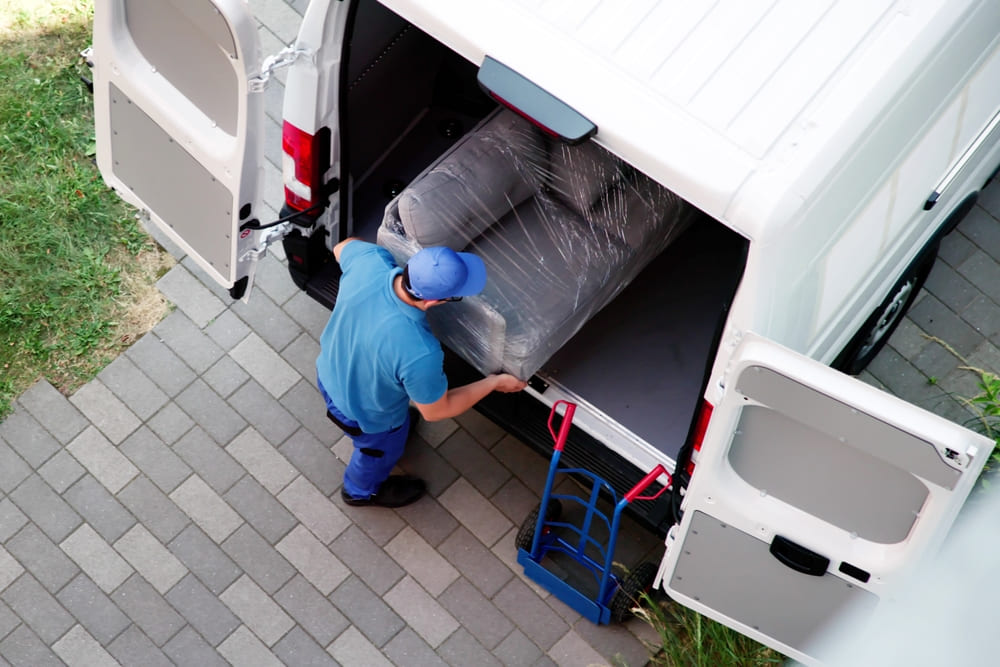
Moving can be stressful, but an international move from the U.S. to Canada comes with additional steps like customs paperwork, border inspections, and documentation requirements. Having a relocation coordinator as your main point of contact can help ensure a seamless move by managing communications and logistics. Planning ahead and working with an experienced cross border moving company with a professional team can make the entire experience smooth and stress-free.
Whether you’re relocating for work, family, or a lifestyle change, understanding how Canadian customs, entry requirements, and shipping regulations work will help you avoid delays and keep your move on schedule. Here are three important things to know before moving from the U.S. to Canada.

When you arrive at the Canadian border, you must report to the Canadian customs office and declare that you are entering the country as part of an international move. Border officers will guide you through the required paperwork and confirm your eligibility to enter Canada legally.
U.S. citizens typically need to present:
These documents help Canadian customs verify your identity, confirm your reason for entry, and ensure your belongings can legally cross the border without delays.
When moving from the U.S. to Canada, all household belongings must be declared to Canadian customs at the border crossing. Most household items can be moved into Canada duty-free, meaning you won't pay taxes on them. During an international move, border officials review your inventory list to determine which items can enter Canada duty free and which may be subject to taxes or restrictions.
Shipments must be cleared through the Canadian Customs Office within 40 days of crossing into the country.
When your things arrived in Canada, they must be cleared by customs before delivery.
In most cases, personal belongings can enter Canada duty free if they have been owned and used for at least one year before your move. These commonly include:
Providing an accurate inventory from your moving company helps Canadian customs process your shipment more quickly.
Full service moving options can assist you in navigating duty-free regulations and ensure all necessary documentation is handled properly. Be sure to check Canada's tax- and duty-free list to be prepared for any additional fees when moving household items.
Some items may require duties or taxes before they are released for delivery. These can include:
If you are transporting these goods using a moving van, be aware that additional customs checks may be required.
Payment is typically handled through the Canadian customs office before your belongings are cleared to continue to their destination.
Canadian customs may inspect shipments at any time. Certain goods are restricted or prohibited from crossing the Canadian border, including:
If prohibited items are found, they may be seized and could result in penalties or delays.
Pets and plants have additional requirements. Dogs and cats over four months old generally need proof of rabies vaccination from a licensed veterinarian. Many plants require advance approval from the Canadian Food Inspection Agency (CFIA) before entering Canada.
Working with experienced international movers or a cross border moving company can help ensure all documentation is prepared correctly and that your shipment meets Canadian government regulations. Requirements can vary slightly depending on the province you are moving to, such as Ontario or British Columbia.
The cost of moving to Canada can vary widely depending on your unique circumstances, but understanding the main factors can help you plan a smooth and stress free cross border move. Whether you’re relocating your entire household from the U.S. to Canada or just a few personal belongings, several elements will influence your final bill.
Key factors affecting the cost of an international move include the distance between your current home and your destination city in Canada, the total weight and volume of your household items, and the specific moving services you require. For example, moving from a large U.S. city to a major Canadian hub like Toronto or Vancouver may cost more than relocating to a smaller town in British Columbia or Quebec. Service options such as professional packing, custom crating, long term storage, and air freight can also impact your overall expenses.
Reputable cross border moving companies like Integrity Movers offer a range of international moving services designed to make your transition as seamless as possible. Their experienced packing team and moving crew can handle everything from careful packing and loading to transportation and delivery, ensuring your belongings arrive safely at your new location. Integrity Movers overs also provide storage services, insurance policies, and assistance with customs documentation to help you navigate the Canadian customs process with confidence.
In addition to moving company fees, it’s important to budget for other expenses related to your move. If you’re applying for a work visa, permanent residence, or Canadian citizenship, the Canadian government may require proof of funds, which varies based on the number of family members moving with you. You should also consider potential duties or taxes on certain household items, as well as any special provisions required by the Canadian Food Inspection Agency or Canadian Customs Office for items like plants, pets, or fine art.
To get an accurate estimate of your moving costs, request a free quote. A detailed quote will outline all service options, from packing and transportation to storage and customs support, so you can make informed decisions and avoid surprises on your final bill. Choosing a moving company known for exceptional service, outstanding support, and a top notch relocation team will help ensure a stress free experience from start to finish.
By doing your research and partnering with a reputable cross border moving company, you can enjoy a seamless transition to your new home in Canada. Whether you’re moving to a bustling city or a quiet town, the right moving services and professional help will give you a head start on your new adventure. Don’t wait, reach out for a free quote today and take the first step toward a successful move to Canada.
Planning an international move from the U.S. to Canada involves several steps, and it’s important to confirm requirements with reliable sources before your moving date. The Canadian government and the Canada Border Services Agency provide updated guidance on border crossing procedures, customs documentation, and current entry regulations.
If you’re preparing a cross-border move, working with experienced international movers can make the process much smoother. A professional moving company can help you prepare your inventory list, review customs requirements, and ensure your shipment is ready for inspection at the Canadian border.
Integrity Movers has experience helping Maine residents relocate to Canada and can guide you through each stage of the moving process. During your estimate, we can explain what documents are typically required, how Canadian customs handles household goods, and what steps to complete before your scheduled delivery date.
When you’re ready, request a free estimate or contact our team to plan your Canada moving services and make your transition as smooth and stress-free as possible.
When completing a cross border move, you’ll typically need a valid passport, government-issued identification, and any required work or residency permits. Canadian customs may also request your moving company’s inventory list so they can review the household goods you are bringing into the country.
The timeline for an international move depends on distance, border processing times, and your delivery date. Most U.S. to Canada moves take anywhere from a few days to a couple of weeks, especially if customs inspections or storage are involved.
While it’s possible to handle a move yourself, many people choose a cross border moving company or international movers because they understand Canadian customs requirements, paperwork, and shipping logistics. This helps reduce delays and makes the border crossing process smoother.
Many personal belongings can enter Canada duty free if they’ve been owned and used for at least one year. However, certain items may be subject to taxes, restrictions, or inspection by Canadian customs, depending on their value and category.
Canadian customs may restrict or prohibit items such as firearms, hazardous materials, certain alcohol or tobacco quantities, and some food products. Pets and plants may also require approval from the Canadian Food Inspection Agency before entering Canada.

Integrity Movers provides residential and commercial moving services throughout the Maine area and beyond!


.png)

.png)

.svg)
.jpg)